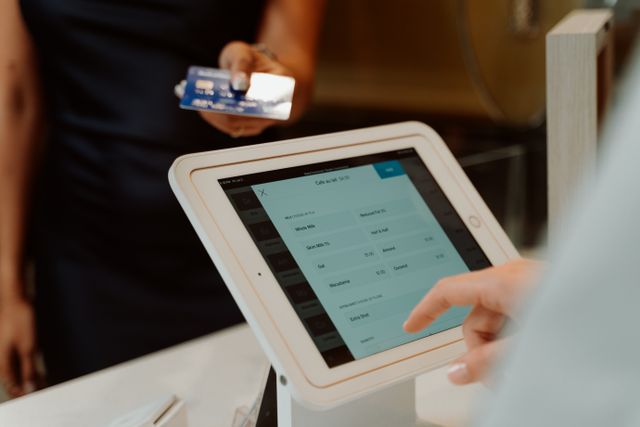
Imagine you’re shopping online for a new pair of running shoes. At checkout, instead of paying $120 upfront, you’re offered the option to split the amount into four interest-free payments of $30. It sounds like an easy way to manage your money without straining your budget.
This is the appeal of Buy Now, Pay Later (BNPL). It promises flexibility, convenience, and interest-free financing for many consumers. However, while it can make large purchases feel more affordable, it can also encourage overspending if you’re not careful. That’s why it’s important to be aware of the risks of using the Buy Now, Pay Later payment option.
So, is BNPL a smart budgeting tool or a shortcut to debt? The answer really depends less on the payment method itself and more on how you use it.
In this article, you’ll learn how BNPL works, when it’s not worth using, and how to avoid damaging your budget.
1. What Is Buy Now, Pay Later (BNPL)?
Buy Now, Pay Later is a short-term financing option that lets consumers split the cost of a purchase into multiple installments rather than paying the full amount upfront.
Many BNPL providers, such as Klarna, Affirm, and Afterpay, offer four equal payments spread over six to eight weeks with no interest, provided payments are made on time. Each provider has its own unique features that make it preferable for either larger or smaller purchases.
The process for using the Buy Now, Pay Later option is simple:
- Choose BNPL at checkout.
- Make the payment immediately.
- Pay the remaining installments automatically on scheduled dates.
Unlike traditional loans, approval is often quick and may involve only a soft credit check for smaller purchases.
2. Why Millions of People Are Choosing BNPL
According to a 2026 Gallup Poll, about 51% of Americans have used installment plans for online purchases, with 10% being frequent users. This is an indication that BNPL has become one of the thriving payment options in recent years, and it’s easy to see why.
Several factors have contributed to its popularity.
Rising cost of living
As the price of essentials such as food, housing, fuel, and utilities increases, consumers often find themselves straining their budgets when it comes to upfront payment of larger purchases. This forces them to opt for ways to spread out the big amounts into installments without having to rely on high-interest credit cards.
Convenience
Most online and in-store retailers now offer BNPL directly at checkout, therefore, allowing shoppers to choose a payment plan with just a few clicks, which successively makes the process quick and seamless.
Interest-free financing
As long as consumers stick to the repayment schedule and make payments on time, many BNPL plans charge no interest, making them an attractive alternative to credit cards, which often charge high interest on unpaid balances.
Easier approval
BNPL providers often have simpler eligibility requirements and perform only minimal or soft credit checks for many transactions than traditional credit card or personal loan issuers. As a result, the service becomes accessible to younger consumers, people with limited credit histories, or those who may not qualify for conventional forms of credit.
At the same time, consumer behavior is changing. BNPL is no longer limited to electronics or fashion. Many people now use it for travel, healthcare, home improvement projects, and even everyday essentials.
3. How BNPL Can Actually Help Your Budget
When used responsibly, BNPL can provide genuine financial benefits.
It spreads out larger purchases
Instead of paying several hundred dollars at once, you can divide the cost into smaller, predictable payments.
This can help preserve cash flow, especially if you need something now, but don’t want one large payment to throw off your finances.
Many plans don’t charge interest
If you stick to the payment schedule, you may avoid interest altogether. Compared with carrying a balance on a high-interest credit card, this can spread the cost over several weeks or months without paying extra.
It can help with planned expenses
BNPL works best when you already know you can afford the purchases but prefer not to pay the full amount immediately.
Examples Include:
- A laptop needed for work
- Back-to-school supplies
- Replacing a broken household appliance
- Furniture after moving into a new home
In these situations, Buy Now, Pay Later can improve cash flow without increasing borrowing costs.
4. When BNPL Starts Hurting Your Budget
The biggest risk isn’t usually one BNPL purchase. It’s having several active payment plans at the same time.
Small payments can hide the true cost
A $300 purchase sounds expensive.
Four payments of $75 each sound manageable.
Because consumers focus on the installment amount rather than the total price, they may spend more than they originally intended.
Behavioral economists often refer to this as reducing the “pain of paying.”
Multiple payment plans become difficult to manage
One installment isn’t hard to remember.
Five different repayment schedules across several retailers can become confusing.
Before long, automatic withdrawals begin hitting your account throughout the month.
Without proper budgeting, these payments can compete with essential expenses like rent, groceries, and utilities.
Late payments can become expensive
Missing a payment may result in:
- Late fees
- Account restrictions
- Possible credit reporting, depending on the provider and loan type
What began as an interest-free purchase can quickly become much more costly.
BNPL can encourage impulse buying
One reason retailers like BNPL is that it often increases conversion rates and average order values.
When shoppers see smaller installment amounts instead of the total purchase price, they’re more likely to add extra items to their cart.
Convenience can sometimes override careful financial decision-making.
Financing everyday necessities is a warning sign
An increasing number of consumers use BNPL for groceries, gas, and other daily essentials. While this may provide temporary relief during financial hardship, relying on installment payments for recurring living expenses can indicate that your budget is under pressure.
Unlike a one-time emergency purchase, groceries need to be bought again next week, thus easy for repayment obligations to pile up.
5. BNPL vs. Credit Cards: Which Is Better?
Neither option is automatically better than the other.
Each has strengths and weaknesses.
| Feature | Buy Now, Pay Later | Credit Card |
| Interest | Often none for short-term plans | Usually charged if the balance isn’t paid in full |
| Payment schedule | Fixed installments | Flexible minimum payments |
| Credit requirements | Often easier approval | Usually more stringent |
| Rewards | Rare | Often includes cashback or travel rewards |
| Risk | Multiple overlapping loans | Revolving debt if balances accumulate |
If you’re a disciplined borrower who makes planned purchases, BNPL may offer lower borrowing costs.
For consumers who value purchase protections, rewards, and flexibility, a credit card may be the better fit, provided balances are paid off each month.
6. Warning Signs You’re Relying Too Much on BNPL
Ask yourself these questions.
- Do I currently have several active BNPL plans?
- Have I forgotten about upcoming automatic payments?
- Am I using BNPL for groceries or other everyday expenses?
- Am I buying things simply because the monthly payment looks affordable?
- Would I still buy this item if BNPL weren’t available?
If you answered yes to several of these questions, it may be time to reassess your spending habits.
7. How to Use BNPL Without Damaging Your Budget
BNPL isn’t inherently good or bad. Like any financial product, its value depends on how you use it.
Here are a few ways to stay in control.
Budget before you buy
Treat the full purchase price as part of your spending decision, not just the installment amount.
Limit active payment plans
The fewer repayment schedules you manage, the easier it is to stay organized.
Track every installment
Include BNPL payments in your monthly budget just like rent, insurance, or utility bills.
Keep money available for automatic payments
Avoid overdraft fees by ensuring your account has enough funds before each payment date.
Avoid using BNPL for impulse purchases
Ask yourself whether you’d still buy the item if you had to pay the full amount today.
If the answer is no, waiting may be the better financial decision.
Buy Now, Pay Later isn’t automatically helping or hurting your budget; it’s simply a financial tool.
For planned purchases that fit comfortably within your spending plan, BNPL can provide flexibility and preserve short-term cash flow without charging interest.
However, if you find yourself opening multiple payment plans, financing everyday necessities, or buying more simply because the installments look small, BNPL may be quietly stretching your budget further than you realize.
Before clicking “Pay in 4,” pause for a moment and ask yourself one simple question: Can I comfortably afford the full purchase price?
If the answer is yes, BNPL may be a convenient way to manage your cash flow. If the answer is no, spreading the payments out won’t make the purchase any more affordable; it simply postpones the bill.
Leave a Reply